
How to Help with Separation Anxiety in Dogs
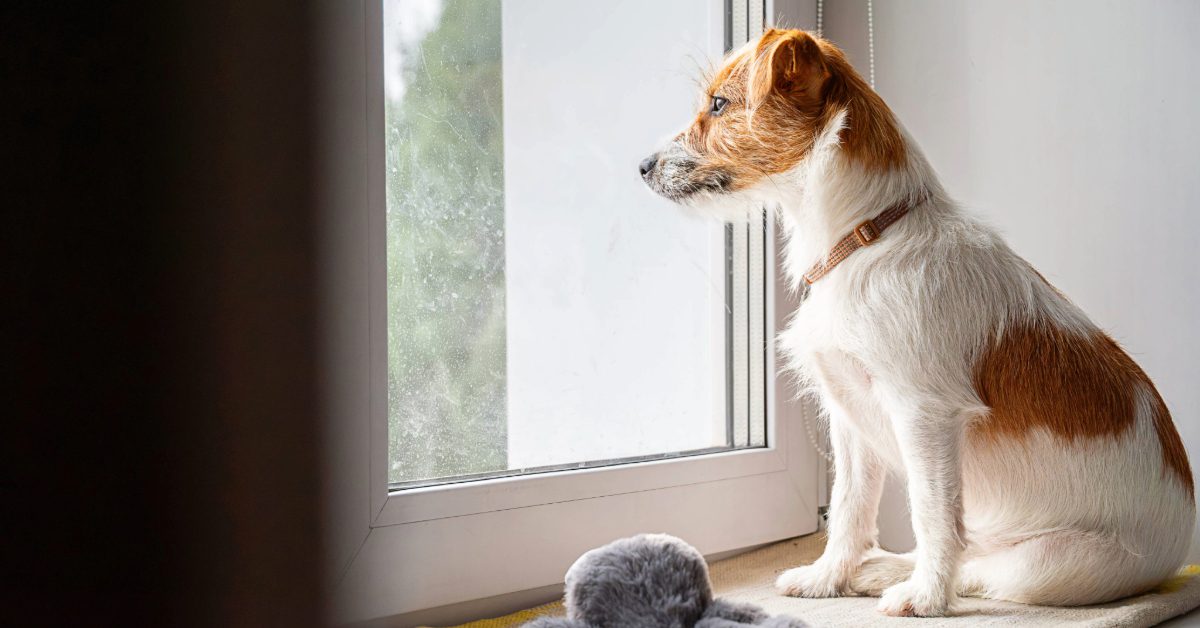
Helping a dog through separation anxiety in dogs starts with recognizing what you’re dealing with, then building a plan around structure, gradual practice, and support from your veterinary team. It isn’t something most dogs simply grow out of on their own, and it rarely responds well to punishment or a “tough it out” approach, which can actually deepen a dog’s fear rather than resolve it. Owners who work through this thoughtfully, one step at a time, tend to see real improvement over weeks and months rather than overnight. Partners Animal Hospital West Loop guides Chicago pet owners through this process regularly, and the good news is that separation anxiety in dogs responds well to consistency, patience, and the right combination of support.
What Are the Signs of Separation Anxiety in Dogs?
Before building a plan, it helps to know exactly what pattern you’re responding to, since the right response depends on correctly identifying what’s driving the behavior.
Common Indicators Owners Notice
Separation anxiety in dogs typically shows up as a cluster of behaviors that appear specifically around departures and rarely happen at other times. Owners frequently report barking or howling that begins almost immediately after they leave, along with pacing, drooling, or attempts to escape through doors and windows. A dog struggling with separation anxiety in dogs may also refuse food left out for them, even treats they’d normally love, because stress overrides appetite. Some owners only piece the pattern together after noticing scratches near an exit door or finding a normally house-trained dog has had repeated accidents on days they were away longer than usual.
How This Differs From Other Behavior Issues
It’s worth ruling out other explanations before assuming separation anxiety in dogs is the cause. A dog that’s simply bored, under-exercised, or not yet house-trained can show some overlapping behaviors without the underlying emotional distress. A few distinguishing details help sort one from the other:
- True separation distress appears within minutes of departure, not hours later
- It happens consistently, nearly every time the dog is left alone
- It’s tied specifically to being separated from a particular person or people
- It often includes physical stress signs like drooling or shaking, not just mischief
Confirming the pattern matters, because a dog dealing with boredom needs a different approach than a dog genuinely struggling with separation anxiety in dogs, and treating the wrong cause tends to waste time without addressing what’s actually happening.
What Training Techniques Help Reduce Separation Anxiety?
Once the pattern is confirmed, gradual, structured practice tends to be far more effective than a single dramatic change or a quick fix.
Building Independence in Small Steps
Dogs coping with separation anxiety generally respond best to a slow, incremental process that teaches them being alone isn’t dangerous. This typically starts with very brief absences, sometimes just stepping outside for a few seconds, and slowly building duration as the dog stays calm. Rushing this process, or jumping straight to a full workday absence, often backfires and can make the underlying fear worse rather than better. Progress isn’t always linear either; a dog might handle five minutes comfortably one week and need to return to shorter absences the next, and that’s a normal part of the process rather than a sign of failure.
Reducing the Emotional Weight of Departures
How departures and arrivals are handled matters as much as the time apart itself. Keeping goodbyes and hellos low-key, rather than turning them into big emotional events, helps a dog stay calmer overall. Predictable pre-departure routines can also reduce anticipatory stress, since a dog with separation anxiety in dogs often starts reacting the moment it recognizes the signs that an owner is about to leave, such as picking up keys or putting on shoes. Practicing these routine cues at random times, without actually leaving, can gradually reduce the power those small signals hold over a dog’s stress response.
Can Products or Tools Help Ease My Dog’s Anxiety at Home?
Some tools can support a dog’s comfort during the process, though they work best as part of a broader plan rather than as a standalone fix.
Environmental Supports Worth Considering
Several categories of products are commonly used alongside training for separation anxiety in dogs:
- Calming beds, wraps, or enclosed crates that create a den-like sense of security
- White noise machines or background audio that muffles outside triggers
- Puzzle feeders or long-lasting chews that redirect nervous energy early on
- Pet cameras that let owners monitor how a dog is actually responding when alone
Different dogs respond to different combinations of these tools, and there’s often some trial and error involved before landing on the setup that actually helps a particular dog settle.
Why Tools Alone Rarely Solve the Underlying Issue
It’s important to set realistic expectations here. Products can ease discomfort and support the training process, but they generally don’t resolve separation anxiety in dogs on their own. A calming bed might help a mildly stressed dog relax faster, but a dog with a more significant fear response usually needs a structured plan on top of any tools being used. Treating a product as the whole solution often leads to disappointment when the underlying anxiety persists, and owners sometimes cycle through several products without addressing the root cause driving the behavior in the first place.
When Should I Talk to a Vet About My Dog’s Separation Anxiety?
Knowing when to bring in professional support can shorten the road to improvement considerably, and it spares both dog and owner unnecessary weeks of trial and error.
Signs It’s Time for Professional Guidance
A conversation with your veterinary team is worth having sooner rather than later if you’re noticing certain patterns:
- Destructive behavior severe enough to cause injury to your dog or damage to your home
- No improvement, or worsening symptoms, despite weeks of consistent practice
- Physical symptoms like excessive drooling, vomiting, or diarrhea tied to departures
- A dog that seems distressed even by very brief absences of just a few minutes
Separation anxiety in dogs that reaches this level typically needs more than home-based effort alone, and there’s no benefit to waiting once these signs appear. The longer a severe pattern continues unaddressed, the more entrenched it tends to become, which can make eventual progress slower and more gradual than it might have been with earlier intervention.
What a Veterinary Evaluation Can Offer
A veterinary evaluation can rule out underlying medical contributors and help determine how severe a dog’s separation anxiety in dogs truly is, which shapes what kind of plan makes sense going forward. Every dog’s situation looks a little different, and a tailored plan tends to produce far better results than a generic approach borrowed from another dog’s experience. Bringing a record of specific incidents, including how long the dog was alone and what happened, helps your veterinary team build a picture of the pattern much faster than a general description alone.
Partnering With Your Vet Team for Lasting Change
Separation anxiety in dogs can feel overwhelming for owners, especially after multiple episodes of damage, distress, or difficult goodbyes. Progress is realistic, though, particularly when structured training, thoughtful use of supportive tools, and professional guidance work together rather than in isolation. Partners Animal Hospital West Loop supports Chicago pet owners through every stage of this process, from confirming the diagnosis to building a plan suited to an individual dog’s history and severity level. Small, steady wins tend to add up faster than owners expect once a plan is actually in place, and many dogs show noticeable improvement within the first several weeks of consistent practice. If your dog’s distress around departures has started to feel unmanageable, call us at (312) 767-4762 or book an appointment online today to take the next step toward calmer days for both of you.
About Us
At Partners Veterinary Group, we believe in energizing our team members through shared values, while helping them create value for our clients and patients. Knowing we can help make pets’ and people’s lives better motivates us to continually strive for excellence and love what we do.
Our team consistently works to build educational, supportive, and cooperative work environments that cater to positive experiences and professional growth. We’re constantly evolving, creating innovative ways to deliver cutting-edge medicine to our patients. We equip our teams with tools to enhance their skills and improve their knowledge.