
Why Is My Dog Scared of Thunderstorms and Fireworks?
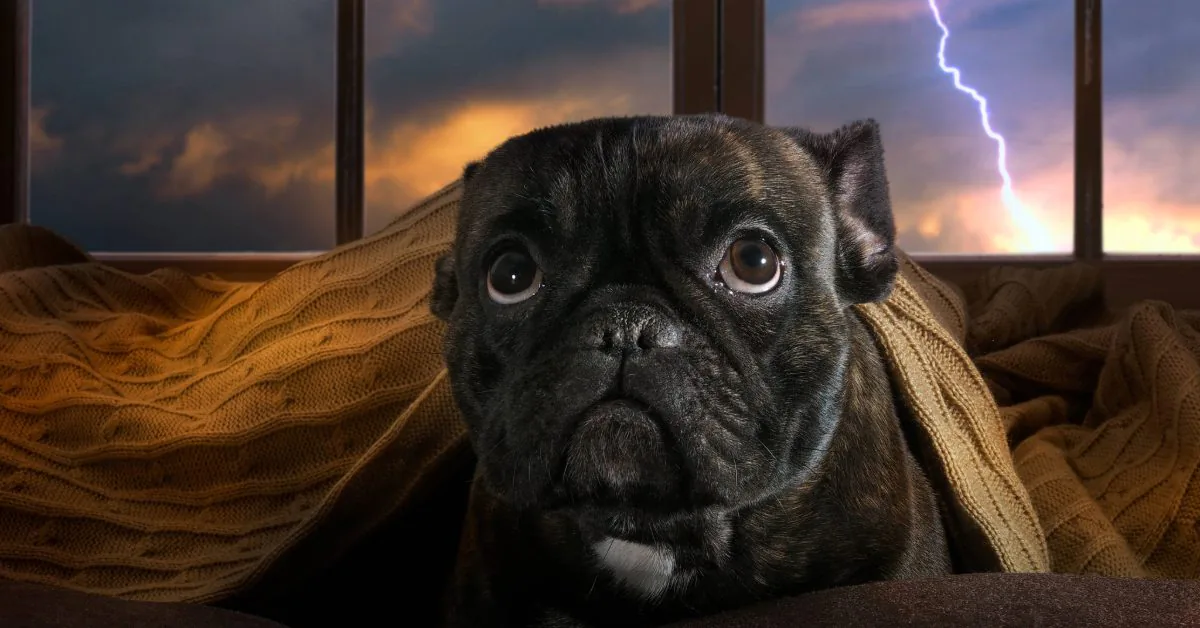
Thunder cracks, fireworks pop, and suddenly your calm, easygoing dog is trembling under the bed or clawing at the door to get to you. This reaction is a textbook case of dog anxiety, triggered by sounds that are loud, unpredictable, and impossible for your dog to reason through. Unlike a person, who can understand that a storm will pass or that fireworks mean a holiday celebration, a dog only experiences the noise itself, along with the vibrations, pressure changes, and static electricity that often come with it. For many dogs, that combination is genuinely frightening rather than simply unpleasant. Partners Animal Hospital West Loop hears from Chicago-area owners every summer and every Fourth of July asking the same question: why does my otherwise confident dog fall apart during storms? The answer has less to do with personality and more to do with biology.
What Makes Dogs So Sensitive to Storms and Fireworks?
A dog’s heightened reaction to storms and fireworks isn’t a character flaw; it’s a sensory system working exactly as designed, just in an environment it wasn’t built for.
Heightened Senses Pick Up More Than We Do
Canine hearing operates at a far wider frequency range than human hearing, and dogs can also detect the barometric pressure shifts and static buildup that precede a storm well before the first clap of thunder. That early awareness means dog anxiety can begin minutes before an owner notices anything unusual at all. Fireworks add a second layer: the flashes of light, the acrid smell of smoke, and the sharp, concussive booms combine into a sensory event with no clear beginning or end, which many dogs find far more disorienting than a single loud noise.
Learned Fear and Individual Temperament
Not every dog develops dog anxiety around noise, and the reasons some dogs do often come down to a mix of early experience and inherited temperament:
- Limited exposure to a variety of sounds during puppyhood
- One especially frightening storm or fireworks event that left a lasting impression
- A generally anxious or noise-sensitive temperament, sometimes tied to breed
- Prior trauma, particularly common in dogs adopted from shelters or rescues
Once a dog associates a sound with fear, that association can generalize. A dog who initially reacted only to fireworks may eventually show dog anxiety in response to thunder, slamming doors, or even the sound of rain on a window.
What Are the Signs of Noise Anxiety in Dogs?
Recognizing dog anxiety early gives owners more room to help before a dog reaches full-blown panic.
Physical Signs to Watch For
Dogs carry stress in their bodies long before it becomes obvious in their behavior. Common physical markers of dog anxiety include a lowered or tucked tail, flattened ears, wide eyes with visible whites, and excessive panting even when the room is cool. Some dogs shake visibly, drool more than usual, or shed heavily in the moments surrounding a loud event, all of which point to a nervous system in overdrive rather than simple discomfort. Owners sometimes notice a dog’s heart racing under their hand, or a dog leaning heavily against their legs, both of which are physical attempts to find reassurance during a stressful moment.
Behavioral Changes During and After Loud Events
Beyond the physical cues, behavior often shifts dramatically once a storm or fireworks display begins. A dog with noise-related anxiety may pace restlessly, pant even without exertion, seek out small enclosed spaces such as closets or bathtubs, or attempt to escape the yard or house entirely. Some dogs become destructive, chewing at door frames or window sills in an effort to reach their owner or simply to release nervous energy. Others go the opposite direction, freezing in place and refusing to move until the noise stops. It’s worth noting that dog anxiety doesn’t always end when the noise does; some dogs stay unsettled, clingy, or unusually quiet for hours afterward.
Can Noise Phobias Develop or Worsen as Dogs Age?
Yes, and this is one of the more surprising realities for owners of dogs who seemed unbothered by storms for years.
Why Sensitivity Often Increases With Time
Dog anxiety around noise frequently worsens with repeated exposure rather than improving through simple familiarity, a pattern that runs counter to what many owners expect. Each frightening storm season can add to a dog’s baseline fear rather than desensitizing them to it, especially if no supportive steps were taken during earlier episodes. Senior dogs face an added factor: age-related hearing changes, joint discomfort, and cognitive shifts can all lower a dog’s overall tolerance for stress, making a previously mild noise reaction intensify into something closer to true dog anxiety. A dog who calmly napped through fireworks as a two-year-old may, by age nine or ten, need to be brought indoors well before dusk on a holiday.
Warning Signs the Pattern Is Escalating
A few signals suggest a dog’s noise-related fear is trending in the wrong direction:
- Reactions now start well before the storm or fireworks actually begin
- Fear spreads to milder sounds that never used to bother the dog
- Recovery time after the event grows noticeably longer
- Physical symptoms intensify or appear for the first time, such as drooling or shaking
Catching this progression early makes a real difference, since dog anxiety that’s allowed to build unchecked over multiple seasons tends to become more resistant to change. Owners who track these patterns from year to year are often the first to notice a shift, sometimes well before it becomes obvious to anyone else in the household.
How Can I Keep My Dog Safe During a Storm or Fireworks Event?
Safety during a loud event starts well before the first boom, with a few practical steps that reduce both physical risk and emotional strain.
Preparing the Environment Ahead of Time
A secure, familiar space matters more than owners often realize. Confirm your dog’s collar fits properly and that identification tags and microchip information are current, since more dogs escape and go missing during fireworks holidays than at almost any other time of year. Close windows and blinds to dampen both sound and flashing light, and set up an interior room away from exterior walls where your dog already feels comfortable. Background sound from a television or fan can help mask sudden booms, and keeping familiar bedding or toys nearby gives a dog experiencing dog anxiety something predictable to anchor to during an unpredictable evening.
Working With Your Veterinary Team on a Longer-Term Plan
Because dog anxiety can range from mild to severe, and because the right approach depends heavily on an individual dog’s history and health, a conversation with your veterinary team is the most reliable way to build a plan that actually fits your dog. What works for a mildly nervous dog may do very little for a dog with a more entrenched phobia, and only a professional evaluation can sort out which category your dog falls into. Bringing notes on when symptoms started, how they’ve changed, and what you’ve already tried gives your veterinary team a clearer picture to work from.
Turning Storm Season Into a Non-Event for Your Dog
Dog anxiety around loud, unpredictable noise is common, but it isn’t something owners have to simply endure year after year. Recognizing the early signs, understanding why sensitivity can increase with age, and taking practical safety steps before storms or fireworks arrive all add up to a more manageable experience for both dog and household. At Partners Animal Hospital West Loop, we work with Chicago pet owners to evaluate the severity of a dog’s noise-related fear and to map out next steps suited to that individual dog. If your dog dreads thunder or fireworks more than seems typical, call us at (312) 767-4762 or book an appointment online today before the next loud season arrives.
About Us
At Partners Veterinary Group, we believe in energizing our team members through shared values, while helping them create value for our clients and patients. Knowing we can help make pets’ and people’s lives better motivates us to continually strive for excellence and love what we do.
Our team consistently works to build educational, supportive, and cooperative work environments that cater to positive experiences and professional growth. We’re constantly evolving, creating innovative ways to deliver cutting-edge medicine to our patients. We equip our teams with tools to enhance their skills and improve their knowledge.