
The Partners Blog

What Does Mange Look Like in Dogs?
Mange is one of the most misunderstood skin conditions in dogs and one of the most recognizable once you know what to look for. What does mange look like in dogs? Mange typically presents as patchy hair loss, red and irritated skin, intense itching, and crusting or scabbing. But the...

Why Does My Dog Panic When I Leave the House?
If your dog panics every time you grab your keys, you're not imagining things, and you're not alone. Dog panic around departures is a real behavioral response rooted in your dog's attachment to you and their inability to predict when, or if, you're coming back. For some dogs, it shows...

Why Is My Dog Scared of Thunderstorms and Fireworks?
Thunder cracks, fireworks pop, and suddenly your calm, easygoing dog is trembling under the bed or clawing at the door to get to you. This reaction is a textbook case of dog anxiety, triggered by sounds that are loud, unpredictable, and impossible for your dog to reason through. Unlike a...

How to Help with Separation Anxiety in Dogs
Helping a dog through separation anxiety in dogs starts with recognizing what you're dealing with, then building a plan around structure, gradual practice, and support from your veterinary team. It isn't something most dogs simply grow out of on their own, and it rarely responds well to punishment or a...

Why Are Dogs Anxious in Cars?
A dog that trembles, drools, or refuses to jump into the back seat is telling you something important: car rides feel unsafe rather than exciting. Dogs anxious in cars are reacting to a mix of unfamiliar motion, confined space, and past experience, not simply being stubborn or difficult. For some...

Canine Influenza: Signs & Symptoms to Watch For
Cold and flu season doesn’t just affect people — dogs can get sick, too. Canine influenza, or dog flu, is a contagious respiratory virus that spreads quickly anywhere dogs gather, from boarding facilities to dog parks. While most cases are mild, some can develop into serious respiratory illness. How It...
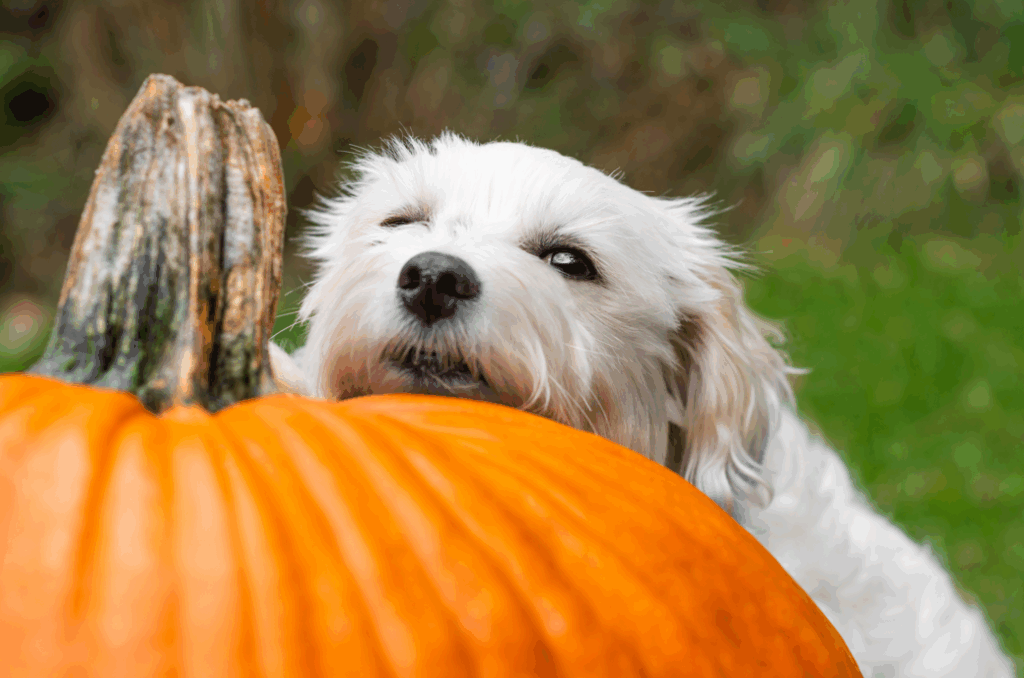
Fall Foods That Are Toxic to Pets (and What’s Safe to Share)
There’s nothing like the cozy comfort of fall foods — pumpkin spice, baked apples, and family feasts. But while many autumn favorites are perfectly safe for humans, several can be dangerous for pets. Knowing which ingredients to avoid (and which ones you can safely share) can help you enjoy the...
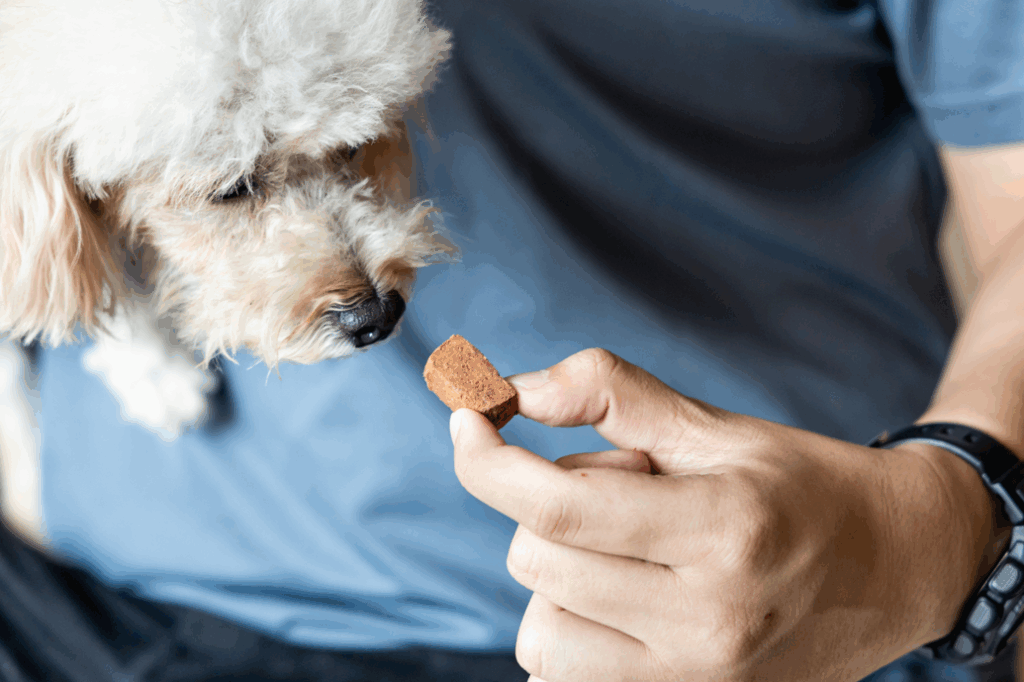
Why Flea, Tick and Heartworm Prevention Is Still Essential in Fall Months
When the weather cools down, many pet owners assume parasites like fleas, ticks, and mosquitoes go away — but that’s far from the case. In most regions, these pests remain active well into fall and even early winter, putting pets at risk of serious illnesses like Lyme disease, anaplasmosis, and...
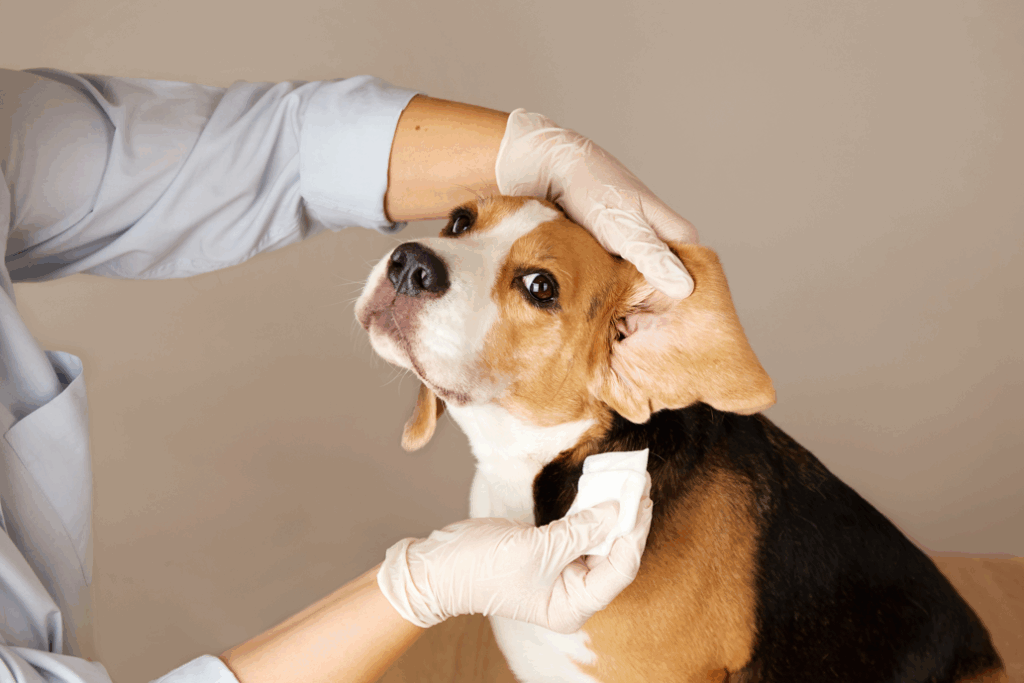
Yeast Infections in Dogs’ Ears During Cooler, Damp Weather
As temperatures drop and humidity rises, many dogs become prone to ear issues — particularly yeast infections. The combination of cooler weather, damp conditions, and less frequent ear drying after baths or walks can create the perfect environment for yeast to grow. Why Yeast Infections Happen Yeast naturally lives on...

Heart Murmurs in Dogs: What They Mean and When to Worry
Hearing that your dog has a heart murmur can sound alarming, but it’s actually quite common — especially in older pets and certain breeds. A heart murmur is an abnormal sound caused by turbulent blood flow in the heart, and while some are harmless, others may signal underlying heart disease....

Core Vaccines for Dogs and Cats: What Every Pet Needs
Vaccines are one of the most important tools for keeping pets healthy and preventing the spread of contagious diseases. While every pet’s lifestyle is different, core vaccines are considered essential for all dogs and cats because they protect against diseases that are widespread, severe, or transmissible to humans. Core Vaccines...

Seizures in Pets: What to Do Until You Reach the Vet
Watching your pet have a seizure can be terrifying, but knowing how to respond calmly can make all the difference. A seizure happens when abnormal electrical activity occurs in the brain, leading to sudden, uncontrollable movements or loss of awareness. What a Seizure May Look Like Seizures can vary in...