
The Partners Blog

Foreign Body Ingestions: Why Dogs Eat Socks, Toys, and More
Dogs are naturally curious — and sometimes that curiosity leads them to swallow things they shouldn’t. From socks and squeaky toys to rocks and corn cobs, foreign body ingestion is one of the most common veterinary emergencies. Why Dogs Eat Non-Food Objects There are several reasons dogs might eat strange...

Luxating Patella in Dogs: Signs and Surgery Options
If your dog occasionally skips or hops on one back leg, they may have a luxating patella — a common orthopedic condition where the kneecap (patella) slips out of place. This issue can range from mild and manageable to severe enough to require surgery. What Causes Luxating Patella The condition...

Crystals in Cat Urine: Why They Form and How Vets Treat Them
If your cat is straining to urinate, visiting the litter box frequently, or crying out in discomfort, urinary crystals could be to blame. These tiny mineral deposits can irritate the bladder, block urine flow, and lead to dangerous complications if untreated. Why Crystals Form Crystals develop when minerals in the...

Leptospirosis in Dogs: Symptoms, Risks, and Prevention
Leptospirosis is a bacterial infection that can affect dogs, wildlife, and—on rare occasions—humans. It’s more common in areas with standing water, wet climates, or high wildlife activity. While some dogs may only show mild signs, others can develop serious kidney or liver damage if left untreated. How Dogs Get Leptospirosis...

Protect Your Dog from Hot Pavement Burns
On a warm summer day, that sidewalk might feel fine under your shoes—but for your dog’s bare paws, it can be dangerously hot. At Partners Veterinary Hospital West Loop, we want to help you keep your pup safe, comfortable, and burn-free all season long. How Hot Is Too Hot? Here’s...
What Is Kennel Cough—and Should You Be Worried?
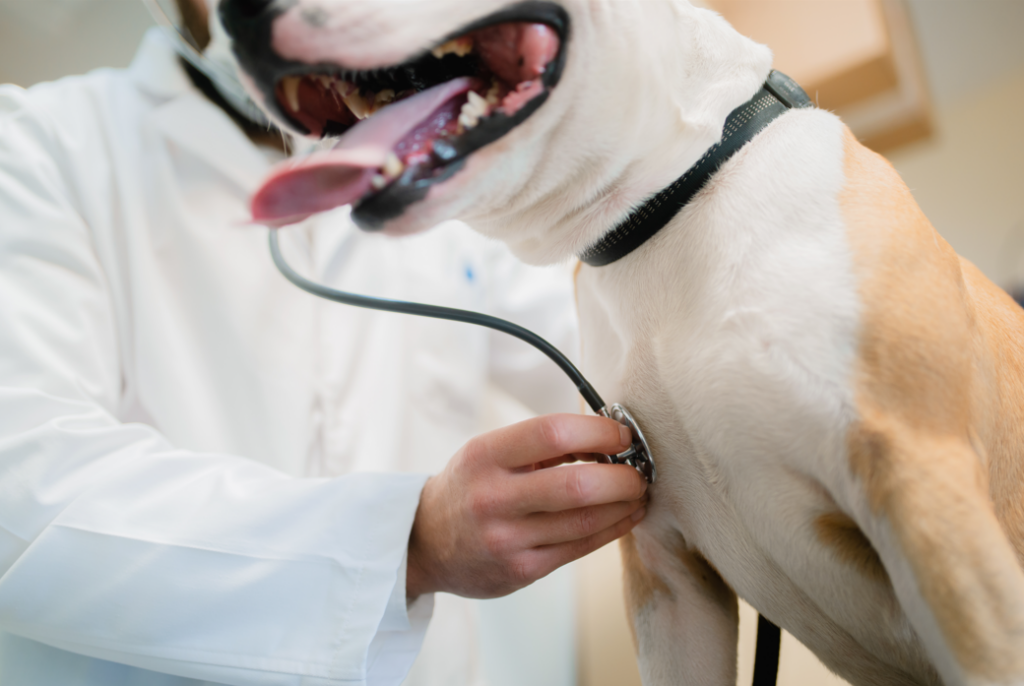
Kennel cough sounds dramatic—and honestly, it can sound pretty scary when your dog is hacking away like they’ve got something stuck in their throat. But despite its alarming name, kennel cough (aka canine infectious respiratory disease complex, or CIRDC) is usually manageable and often mild. Still, it's important to understand...

Hydration and Your Pet: How Much Water Should They Drink?
Staying hydrated isn’t just important for humans—your pets need fresh, clean water every day to stay healthy, too. But how much water is enough? And what does it mean if your pet seems to be drinking way more (or less) than usual? At Partners Veterinary Hospital West Loop, we know...

The Link Between Oral Health and Overall Wellness in Pets
Fresh breath is great, but good dental care goes way beyond that. Your pet’s oral health is directly tied to their overall wellbeing—from preventing infection to protecting their heart and kidneys. At Partners Veterinary Hospital West Loop, we take dental care seriously—because it’s not just about clean teeth. It’s about...

Skin Issues in Pets: Hot Spots, Itching, and Allergies Explained
Itchy, irritated skin isn’t just annoying—it can seriously impact your pet’s comfort and quality of life. Whether your dog can’t stop scratching or your cat has developed a mysterious rash, skin issues are one of the most common reasons pets visit the vet. At Partners Veterinary Hospital West Loop, we’re...

Urinary Tract Infections in Pets: Signs, Treatment, and Prevention
Just like humans, our pets can experience urinary tract infections (UTIs)—and they’re never fun. Whether it’s your cat suddenly avoiding the litter box or your dog needing to go out more frequently, UTIs can cause discomfort and stress for both you and your pet. At Partners Veterinary Hospital West Loop,...

Why Is My Dog’s Nose Not Wet?
Dogs’ noses have always been a fascinating topic for pet owners. From their ability to sniff out hidden treats to their seemingly magical sense of direction, a dog’s nose is a powerful and essential tool. But what happens when your dog’s nose isn’t wet? Should you be worried? A wet...

My Cat Cries A Lot: Is This Normal?
When your cat cries a lot, it can tug at your heartstrings and leave you wondering if something is wrong. Cats, known for their independence, communicate with us in various ways, and excessive crying might be their way of sending a message. While some vocalization is normal, consistent or unusual...
- « Previous
- 1
- 2
- 3
- 4
- Next »