
Why Are Dogs Anxious in Cars?
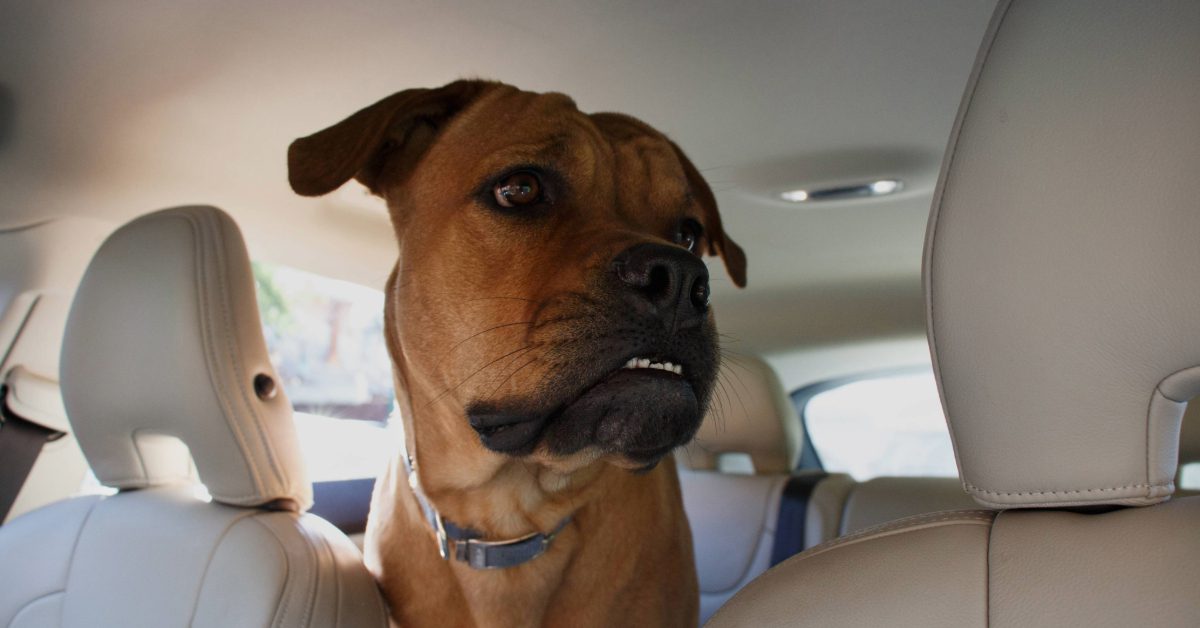
A dog that trembles, drools, or refuses to jump into the back seat is telling you something important: car rides feel unsafe rather than exciting. Dogs anxious in cars are reacting to a mix of unfamiliar motion, confined space, and past experience, not simply being stubborn or difficult. For some dogs, the stress is mild and fades a few minutes into the drive. For others, dogs anxious in cars can panic before the car even leaves the driveway, making every trip to the vet, the groomer, or the park feel like a battle. Partners Animal Hospital West Loop works with Chicago pet owners to sort out what’s actually driving this reaction, since the right response depends heavily on the underlying cause.
What Causes Car Anxiety in Dogs?
Car-related fear rarely comes from nowhere. It usually traces back to a specific mix of physical sensation and past experience unique to that dog.
Physical Discomfort as a Starting Point
Many dogs anxious in cars are reacting, at least in part, to genuine physical discomfort rather than pure fear. The motion of a moving vehicle can disrupt a dog’s inner ear balance, especially in puppies whose systems haven’t fully matured, leading to nausea that gets mentally linked to the car itself. Once a dog associates the vehicle with feeling sick, that discomfort can evolve into dread well before any physical symptoms appear on a later ride. Puppies who never fully outgrow this early nausea sometimes carry the association into adulthood, becoming dogs anxious in cars for reasons that started as a purely physical issue.
Past Experience and Limited Exposure
Experience shapes this reaction just as much as physiology does. A dog whose only car rides led to the veterinary clinic, a boarding kennel, or a stressful move may reasonably conclude that cars predict something unpleasant. Other common contributors include:
- Very limited exposure to car rides during the important early socialization window
- A frightening incident in the car, such as a sudden stop or loud accident nearby
- General noise sensitivity that makes road sounds and engine vibration overwhelming
- An anxious temperament that shows up in other unfamiliar situations, not just cars
Dogs anxious in cars because of a single bad experience often generalize that fear to the vehicle as a whole, reacting the moment they see it rather than only once the engine starts. This generalization is part of why the problem tends to persist without some form of deliberate, gradual intervention.
How Can I Tell If My Dog Has Car Anxiety Versus Motion Sickness?
These two issues overlap enough to confuse owners, but they don’t always call for the same response, so telling them apart matters quite a bit.
Signs That Point to Motion Sickness
Motion sickness tends to show up primarily once the car is moving, rather than beforehand. Watch for drooling that starts only after the drive begins, vomiting shortly after departure, lip licking, and lethargy that clears up fairly quickly once the car stops. A dog dealing mainly with motion sickness often seems perfectly relaxed getting into the car and only starts showing symptoms a few minutes into the ride itself, which is one of the clearest ways to separate this group from dogs anxious in cars for emotional reasons.
Signs That Point to True Anxiety
Dogs anxious in cars because of a fear response, rather than physical discomfort, typically show distress earlier in the process. Look for resistance to getting into the vehicle at all, whining or panting before the car has even started moving, trembling, pacing, or attempts to escape a harness or crate. Some dogs pant heavily and drool from anticipatory stress rather than nausea, which can make the two conditions genuinely hard to tell apart without watching the full sequence of events from start to finish. It’s also common for a dog to experience both at once, with early anxiety symptoms giving way to motion sickness once the ride is underway, which is why careful observation across several trips tends to give a clearer picture than judging from a single ride.
What Are Some Ways to Make Car Rides Less Stressful for My Dog?
Small, consistent changes to how car trips happen can meaningfully reduce stress for many dogs anxious in cars, especially when introduced gradually.
Building More Positive Associations
Short, low-stakes trips that end somewhere fun, rather than always ending at the vet or groomer, can slowly shift a dog’s expectations about what car rides mean. Starting with the engine running while parked, then progressing to a short trip around the block, gives a dog time to adjust without being overwhelmed all at once. Pairing these small steps with a favorite treat or toy reserved only for car time can help reframe the experience gradually, and repetition matters more than any single grand gesture when it comes to changing how dogs anxious in cars feel about the vehicle over time.
Practical Comfort Adjustments
A few environmental changes tend to make a noticeable difference for dogs anxious in cars:
- A secure, well-ventilated crate or harness that limits sliding and unpredictable movement
- Keeping the car cool and well-ventilated, since heat intensifies nausea and stress alike
- Covering crate sides partially to reduce visual stimulation from passing scenery
- Scheduling car trips before meals rather than right after, to reduce nausea risk
Consistency across trips matters more than any single adjustment, since dogs anxious in cars tend to build trust gradually rather than after just one calm ride. Owners often see the biggest shift not from any one change but from the combined effect of several small adjustments applied consistently over a series of short trips.
When Should Car Anxiety Be Addressed With a Vet or Trainer?
Home adjustments help many dogs, but some situations call for a more structured, professional approach.
Signs the Reaction Has Become More Serious
A conversation with your veterinary team at Partners Animal Hospital West Loop is worth having if a dog’s reaction escalates rather than improves. Watch for symptoms that worsen despite consistent gradual exposure, physical signs like excessive vomiting or drooling that don’t improve over multiple trips, or a dog that becomes so distressed getting into the car that it risks injuring itself or a person trying to help. Dogs anxious in cars to this degree usually need more support than home practice alone can provide, and pushing through additional unsupported trips at that point can sometimes make the fear more deeply rooted.
What Professional Support Can Add
A veterinary evaluation can rule out an underlying medical cause for persistent nausea or discomfort, which sometimes hides behind what looks like pure anxiety. From there, our veterinary team can help map out a structured plan suited to your dog’s specific triggers and severity level, rather than relying on general advice that may not fit every situation. Dogs with a longer history of car-related fear often benefit most from this kind of tailored guidance, especially when previous attempts at home haven’t produced lasting improvement.
Getting Your Dog Comfortable With the Open Road
Dogs anxious in cars aren’t destined to dread every drive for the rest of their lives. Understanding whether the root cause is physical discomfort, past experience, or a combination of both makes it much easier to choose the right approach. Partners Animal Hospital West Loop helps Chicago pet owners work through this process, from ruling out medical contributors to building a gradual plan that fits an individual dog’s comfort level. Progress often shows up first in small ways, such as a dog walking to the car more readily or settling faster once the door closes, well before every symptom disappears entirely. Call us at (312) 767-4762 or book an appointment online today. With patience and the right support, even a dog who currently dreads the driveway can learn that the car isn’t something to fear.
About Us
At Partners Veterinary Group, we believe in energizing our team members through shared values, while helping them create value for our clients and patients. Knowing we can help make pets’ and people’s lives better motivates us to continually strive for excellence and love what we do.
Our team consistently works to build educational, supportive, and cooperative work environments that cater to positive experiences and professional growth. We’re constantly evolving, creating innovative ways to deliver cutting-edge medicine to our patients. We equip our teams with tools to enhance their skills and improve their knowledge.