
What Does Mange Look Like in Dogs?
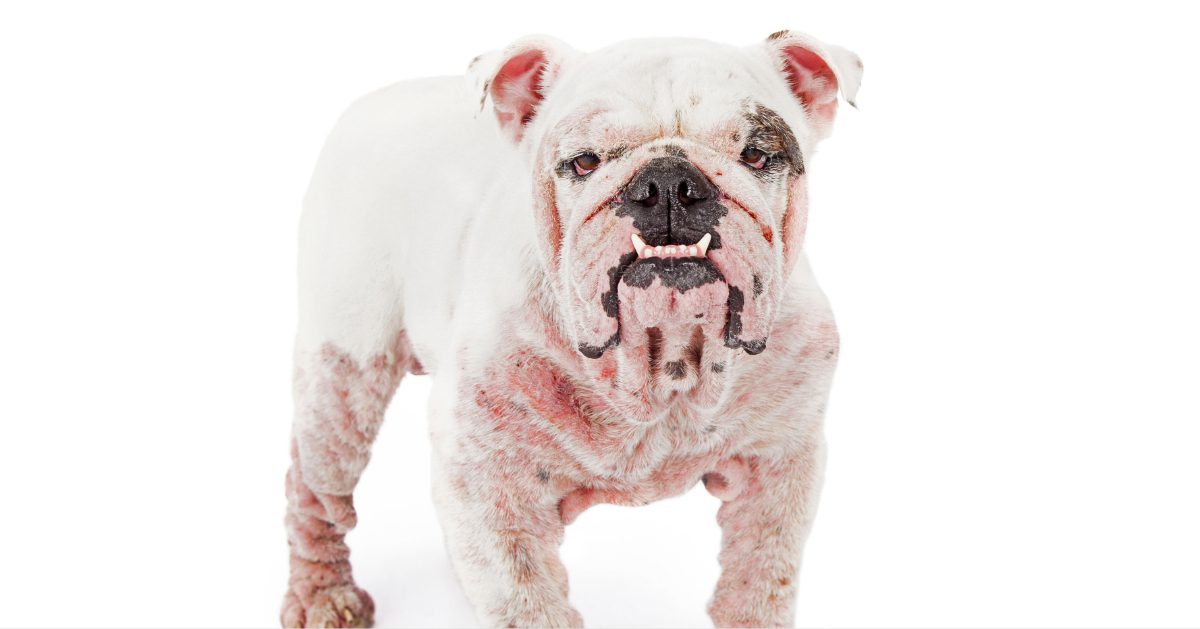
Mange is one of the most misunderstood skin conditions in dogs and one of the most recognizable once you know what to look for. What does mange look like in dogs? Mange typically presents as patchy hair loss, red and irritated skin, intense itching, and crusting or scabbing. But the exact appearance of dog mange depends on which type of mange your dog has.
At Partners Animal Hospital West Loop in Chicago, our veterinary team diagnoses and treats mange in dogs regularly. This blog includes a full breakdown of what to look for and what to do if you suspect your dog may have it.
What Is Mange in Dogs?
Mange is a skin disease caused by microscopic mites that live on or within a dog’s skin. There are two primary types of mange in dogs: demodectic mange and sarcoptic mange. Each is caused by a different mite species, has a different transmission pattern, and presents somewhat differently, though both cause significant skin irritation and hair loss in dogs.
Understanding which type of mange your dog has is critical, because they require different treatment approaches. Diagnosis always requires a veterinary skin scraping and microscopic examination.
What Does Sarcoptic Mange Look Like in Dogs?
Sarcoptic mange, also called canine scabies, is caused by the Sarcoptes scabiei mite. This mite burrows into the skin, causing intense, relentless itching and a characteristic set of skin lesions.
In the early stages, sarcoptic mange in dogs often appears as:
- Small, raised, reddish bumps that resemble insect bites
- Intense itching, often more severe than other skin conditions
- Hair loss in affected areas, especially on the ears, elbows, hocks, and face
- Crusty, thickened skin that develops over time
- Scratching so severe it leads to self-inflicted wounds and secondary infections
Sarcoptic mange spreads rapidly and is highly contagious to other dogs and, in some cases, to humans (where it causes a temporary, self-limiting rash). If you suspect sarcoptic mange in dogs, it’s important to seek veterinary care quickly and to limit your dog’s contact with other animals in the meantime.
What Does Demodectic Mange Look Like in Dogs?
Demodectic mange, which is also called demodex or “red mange”, is caused by Demodex canis mites, which are normally present in small numbers on virtually all dogs. In puppies, older dogs, or those with compromised immune systems, the mite population can proliferate and cause disease.
Demodectic mange in dogs has two forms:
Localized Demodectic Mange
Localized demodex typically appears as one or a few small, patchy areas of hair loss, most often around the face, particularly near the eyes and muzzle, or on the paws. The skin may look slightly red and scaly but is usually not intensely itchy. This form is common in puppies and often resolves on its own as the immune system matures. Your veterinarian should still evaluate it to confirm the diagnosis and monitor for progression.
Generalized Demodectic Mange
Generalized demodex is a more serious form of dog mange and can affect large areas of the body. It’s characterized by widespread hair loss, red and inflamed skin, scaling, crusting, and a sometimes rancid skin odor. Secondary bacterial infections are common in generalized cases and require treatment alongside the mite infestation itself. This form needs prompt veterinary attention and a more aggressive treatment protocol.
How Is Mange in Dogs Diagnosed?
If you’re wondering, “What does mange look like in dogs?” and whether your dog might have it, a veterinary exam is the only reliable way to confirm the diagnosis. Mange mites are microscopic, you cannot see them with the naked eye.
Diagnosis typically involves a deep skin scraping, where your veterinarian collects skin cells and debris and examines them under a microscope. In some cases, particularly with sarcoptic mange, mites can be difficult to find, and treatment may be initiated based on clinical signs alone.
Our veterinarians at Partners Animal Hospital West Loop will evaluate your dog’s skin thoroughly and can advise on the most appropriate diagnostic steps.
How Is Dog Mange Treated?
Treatment for mange in dogs depends on the type and severity of the infestation.
Treating Sarcoptic Mange
Sarcoptic mange in dogs is treated with prescription antiparasitic medications, most commonly oral or topical isoxazoline class drugs, though medicated dips and other approaches may be used. All dogs in the household must typically be treated, and the environment should be cleaned to minimize reinfection risk. Secondary skin infections are treated with antibiotics.
Treating Demodectic Mange
Localized demodectic mange may resolve on its own in young dogs with healthy immune systems, though your vet may recommend topical treatment to speed recovery. Generalized demodex requires systemic antiparasitic treatment and often antibiotics for secondary infections. In adult dogs, generalized demodex can indicate an underlying immune system disorder, and additional workup may be recommended.
What Does Untreated Mange Look Like in Dogs?
Without treatment, mange in dogs, particularly sarcoptic and generalized demodectic mange, can progress significantly. Untreated dog mange can lead to:
- Severe, widespread hair loss across the entire body
- Thick, crusty, hardened skin with a foul odor
- Chronic bacterial skin infections (pyoderma) that are painful and difficult to treat
- Significant weight loss and systemic illness in advanced cases
- Intense suffering from unrelenting itching and skin pain
If you notice signs of mange in your dog, don’t wait to see if it resolves on its own. Early treatment leads to a faster recovery and prevents needless suffering.
Spotting Skin Problems Early Makes All the Difference
Mange is treatable, and most dogs recover fully with the right veterinary care. The key is getting an accurate diagnosis and starting treatment promptly. Whether your dog has one small patch of hair loss or extensive skin changes, our team at Partners Animal Hospital West Loop is here to help.
If you’ve been asking yourself, “What does mange look like in dogs?” and you think your pet may be affected, call us at (312) 767-4762 or book online to schedule an appointment with us today. Our Chicago veterinary team will get to the bottom of your dog’s skin condition and get them on the road to recovery.
About Us
At Partners Veterinary Group, we believe in energizing our team members through shared values, while helping them create value for our clients and patients. Knowing we can help make pets’ and people’s lives better motivates us to continually strive for excellence and love what we do.
Our team consistently works to build educational, supportive, and cooperative work environments that cater to positive experiences and professional growth. We’re constantly evolving, creating innovative ways to deliver cutting-edge medicine to our patients. We equip our teams with tools to enhance their skills and improve their knowledge.